


What You Need to Know About Dog Training

Dog training is an essential aspect of responsible pet ownership. Whether you're welcoming a new puppy into your home or trying to solve behavioral issues with an older dog, understanding the basics of dog training can significantly improve your relationship with your furry friend. This post provides insights into dog training questions, practical tips, and essential information every dog owner should know.
Dog Training Questions
Many dog owners often have similar questions when it comes to training their pets. Effective training requires consistency, patience, and the right techniques. Here’s a look at some of the most commonly asked questions about dog training that many owners have.
1. When Should I Start Training My Dog?
It's best to start training your dog as early as possible. Puppies are like sponges; they absorb information quickly. You can begin basic training as early as eight weeks old. However, it's important to focus on positive reinforcement and socialization during this time. Introduce your puppy to different environments, people, and other pets to help them become well-adjusted adults.

2. What Training Techniques Should I Use?
There are numerous training techniques, but positive reinforcement is widely regarded as the most effective for puppies during this time. This method involves rewarding your dog for desirable behaviors, which encourages them to repeat those actions. You can use treats, praise, or playtime as rewards. For example, when your dog comes to you immediately when called, offer them a treat to reinforce that behavior.
3. How Long Should Training Sessions Last?
Keeping training sessions short and engaging is vital. Aim for sessions of 5 to 15 minutes, especially for puppies with short attention spans. Frequent, short sessions are often more beneficial than longer, less frequent ones. This helps prevent your dog from becoming bored or overwhelmed.
What is the 3 3 3 Rule for Dogs?
The "3 3 3 rule" is a guideline that can help you understand your dog's adjustment period when moving to a new environment or situation, such as a new home or new pet. According to this rule:
3 Days: For the first few days, allow your dog to explore their new surroundings. They may feel anxious or confused, so it's essential to give them space and monitor their behavior.
3 Week: From 3 days to 3 weeks, your dog should begin to settle in. You can start training them and introducing a routine during this time, helping them feel more secure in their new environment. This is where their personality will begin to emerge.
3 Months: Within three months, many dogs adapt completely to their new life. Consistent training and socialization during this period will help shape their behavior for years to come.

Common Dog Behavior Problems
Behavior problems can often derail your training process. Here are some common issues and how to address them:
1. Excessive Barking
Excessive barking can stem from boredom, fear, or a lack of training. To manage this, first identify the cause. If your dog is barking out of boredom, increase their exercise and mental stimulation through toys or interactive games. If fear is the trigger, create a safe space for them and gradually expose them to the source of their fear.
2. Jumping Up
Jumping can be an exciting greeting for dogs, but it's often unwelcome by humans. Train your dog to greet people calmly by ignoring them when they jump and keeping a leash on them. Only provide attention once all four paws are on the ground. Consistently reinforce this behavior to help your dog learn.
3. Chewing
Puppies love to chew, but this can become a problem if they target furniture or shoes. Provide plenty of appropriate chew toys to satisfy their urge. If your dog begins to chew something they shouldn't, redirect them to their toys.
The Importance of Consistency in Dog Training
One of the biggest factors in successful dog training is consistency. Use the same commands, gestures, and rewards every time. For instance, if you use the command "sit," stick with that phrase instead of changing it to "sit down." Consistency helps your dog learn and understand what is expected of them.
Additionally, all family members should be on the same page in terms of commands and training methods. Mixed messages can confuse your dog and slow down their training progress.
Socialization: Key to a Well-Behaved Dog
Socialization is just as important as obedience training. Exposing your dog to different environments, people, and other animals helps them become more adaptable and less fearful. This DOES NOT mean that your dog has to interact with every person and every dog they see. This means that they should be exposed to things to observe the world around them without feeling the need to react to their environment.
Start slowly, and use positive reinforcement to make these experiences enjoyable. If your dog shows fear or aggression, give them space, and avoid overwhelming them.
Understanding Your Dog's Behavior
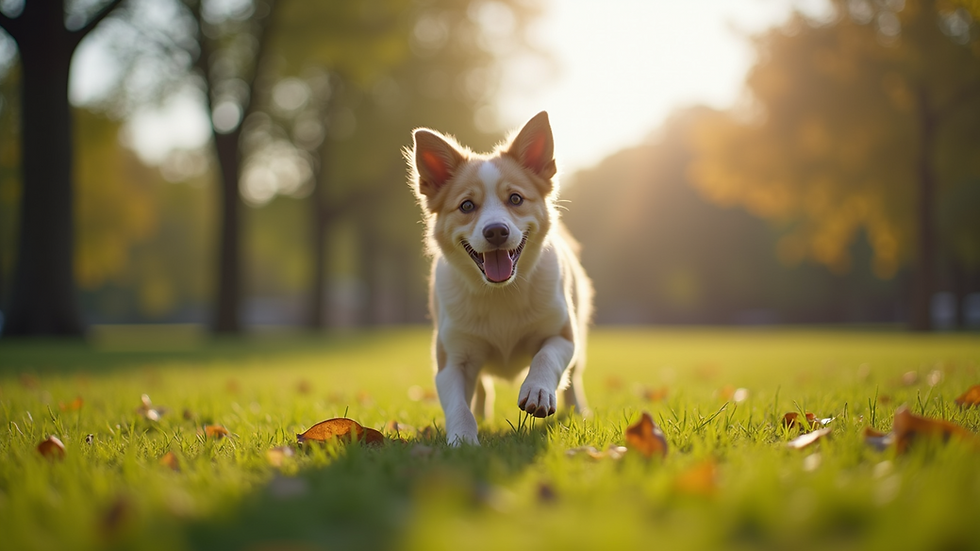
Learning to read your dog's body language is crucial for effective training and communication. Dogs express their feelings through gestures and movements. For example:
Wagging Tail: An excited dog often wags their tail. However, a tail that is high and stiff can indicate agitation or aggression.
Ears Position: Erect ears often mean a dog is alert and interested, while ears held back mean they may be unsure or fearful.
Posture: A relaxed body posture indicates comfort, while a stiff body may signal tension or stress.
Understanding these signs takes time but can greatly enhance your training efforts.
Resources for Dog Training
For those looking for even more information about dog training, consider joining private one on one training or online courses to gain more hands-on experience and learn from professionals.
Training your dog can be one of the most rewarding experiences for both you and your furry friend. With the right techniques, resourceful tools, and understanding, you can cultivate a well-behaved companion that enriches your life.
Final Thoughts on Dog Training
Training your dog is not only about teaching commands; it's about building a loving and trusting relationship between you and your pet. Be patient, stay consistent, and enjoy the journey of training your dog. Remember, every dog is unique, and the best training method is the one that works best for you and your furry companion. Happy training!
At CKG Canine, we proudly serve dogs and their families throughout the beautiful Pacific Northwest — from the Greater Seattle area all the way up to the Canadian border. Whether you're in Bellingham, Whatcom County, Skagit Valley, Everett, or anywhere in between, we’re here to support you with reliable, results-driven training that fits your dog’s needs and your lifestyle. Reach out anytime — we can’t wait to be part of your dog’s training journey! 🐾


Comments